Showing posts with label Africa. Show all posts

Tuesday, March 26, 2013

African textile print


For the second project of our African unit, first graders studied the unique woven cloths from this region  - one called Kente, which is woven with colorful threads that create repeating patterns, and Adinkra, which is woven in a solid color and the repeating patterns are stamped on. We used styrofoam plates to create patterns we found in these cloths and printed them using the marker and damp paper technique - thanks to Don at Shine Brite Zamarano for the tip on this fun printing method! As Don mentioned, getting the paper the right dampness is crucial, and I had my best luck lightly spraying with a mister, then taking a large clean paintbrush and sweeping across the paper quickly to even out wet spots. In 45 minutes, we had plenty of time for a class of about 24 to make 3 prints and still clean their plates and hands.
After drying, we chose the best print to add some stitching detail for that textile feel, and the other two we traded with classmates, as if we were in an African village. We looked at many pictures of textile sellers in African markets - such a colorful place! I think the first graders would rank this high on the favorites list, and I must say it is one of the cleaner printmaking techniques, making it a favorite of mine as well. : )
                    
kente examples from http://textileythings.blogspot.com/2012/02/history-of-kente-cloth.html


prints drying on the rack
adinkra example from http://angelasancartier.net/adinkra-cloth


Monday, March 18, 2013

African masks, 1st grade


First graders began their African art unit by creating a painted paper mask, which are a tradition in African ceremonies and celebrations. Masks can represent humans or animals and they show a connection to nature. In some cultures, masks are thought to bring special abilities to the wearer. We painted our papers, Eric Carle style with texture and pattern, and shared them with each other to create these colorful masks.


Wednesday, March 13, 2013

Art from other times and places...

It's my favorite time of year in the classroom - time to start our multicultural units!
Don't get me wrong, we study art history all year long from lesson to lesson, but these units are in depth studies of a specific culture or era, involving a number of different activities. It is exciting to think that by the time students leave Dolvin as a middle schooler, they have had art history experience that truly crosses the world and thousands of years.
Here is the list of topics by grade level and as seen on our world map - check back soon to see our progress!
K - Prehistoric art
1 - African art
2 - Asian art
3 - Art of Ancient civilizations
4 - Mexican art
5 - Medieval/Renaissance


Here's a sneak peek... which culture are these students learning about?


Wednesday, April 11, 2012

Ndebele painted houses


bing image - http://www.south-africa-tours-and-travel.com/bantu.html
First graders looked at the beautiful houses of the African village of Ndebele as inspiration for building a 3-D paper sculpture.  We patterned the papers with black paint, stamps, and markers before folding and assembling the forms.  As much as I would love displaying these in front of an African sunset backdrop, I didn't have storage space at this time of year with many other 3-D crafts going on.  I will have to try these again next year and plan better storage! 


Monday, March 12, 2012

Last batch of face jugs...


Just had to share a few more - they really turned out great and I can't help bragging on my 5th graders.  This lesson has been a 5th grade tradition in my classroom for many years, and I think what made them so unique this year was showing them the history video - you can find it in the original posts with more info here and here.


Friday, March 9, 2012

Kente Weaving and Anansi the Spider: 1st grade


The mischievous and wise Anansi
 First graders have begun their unit on African art
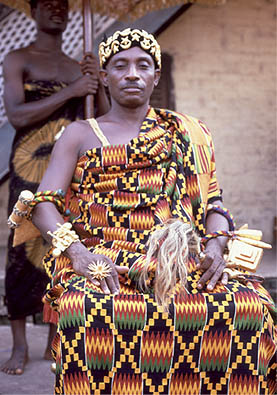
Royal kente, pic from Smithsonian
 with an African folklore tale of Anansi the Spider, a spider who seems to know everything and loves to play the trickster.  The book in the picture has great illustrations, but it does not tell the kente story - that is a different Anansi book that I don't own... yet! The story can be found online here.  An old Ashanti story tells the origins of weaving - two brothers set out on a hunting trip and are amazed at a beautiful spider web in the wilderness, of course woven by Anansi, who teaches the brothers how to weave and they in turn teach their community. Kente cloths were first woven only for royalty, but are now available for everyone to wear. They are often woven with the colors of their flag.                                                       
When beginning this unit, I asked students what they already knew about Africa, and most shared answers about the beautiful wild animals who live there.  To celebrate this, we included some animal print paper strips - thanks to Artolazzi  for the idea, it really added a nice layer of interest and texture.  After weaving, we illustrated our paper kente with an illustration of Anansi, happily dangling from our woven cloths.


Tuesday, February 21, 2012

5th grade Face Jugs, part 1

 
Fifth graders are beginning our annual tradition of building clay Face Jugs.  We started out with this great video from PBS, which shares the origins of face jugs in Africa, and how they ended up the the U.S.  Thanks to ArtMuse67 for sharing this video - we loved it!


Watch Face Jug on PBS. See more from History Detectives.
Next, we looked at examples of face jugs in Georgia, created by members of the Meaders family of potters in the North Georgia mountains.  We also looked at modern potters and designers who continue to produce face jugs in a variety of styles, such as artist/designer Jonathan Adler.  Both of these artists often stylize their jugs by exaggerating or minimizing the size of the facial features.
one of the Meaders family

Meaders Ugly Jug
Adler, throwing a pot on the wheel

Adler's stylized face pots
 Students chose a style for their jugs - either "traditional ugly", animalistic, or realistic - and formed the jugs from two sealed pinch pots.  Stay tuned for the finished glazed examples, coming in a couple of weeks - here's how they're shaping up so far -